Process
How long an apartment renovation takes, from first contact to handover
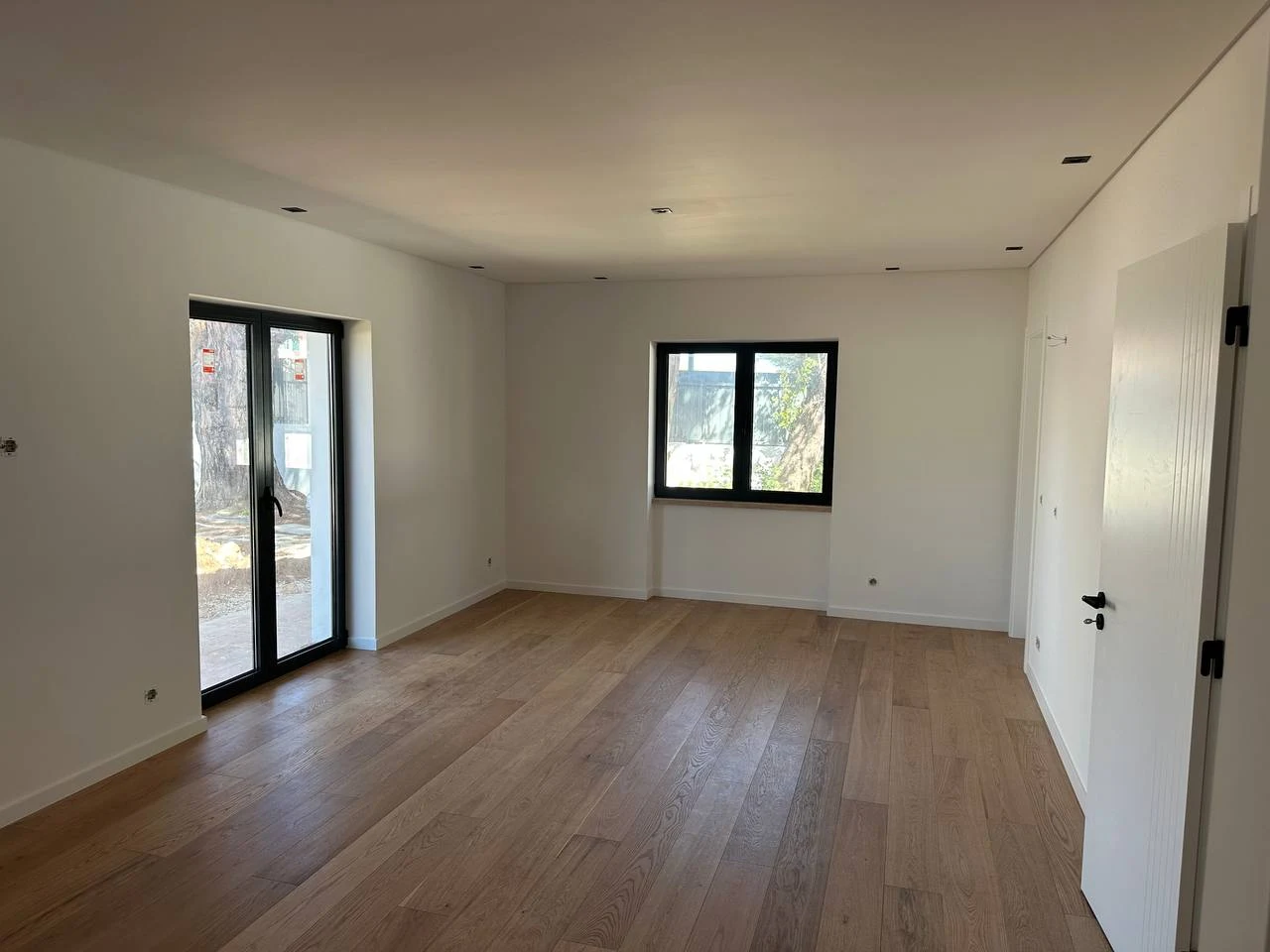
A full renovation of a two-bedroom flat takes 3 to 5 months on site. A finishes-level refresh, leaving the infrastructure alone, is done in 5 to 8 weeks. A designer project with bespoke joinery stretches to 6 to 10 months.
If you have been researching, you have probably found numbers that fit none of these and contradict each other: some promise a complete flat in 4 to 8 weeks, others quote 8 months for the same type of property. The explanation is not that some teams are five times faster than others. It is that those numbers measure different things without saying so: some count only the days there are teams inside the flat, others count the whole process, from first contact to handing over the keys. This guide separates the two measures and shows what stretches each one.
Time on site, by level of work
Start with the more tangible measure: the time between the day the team walks in and the day the flat is handed over finished. This depends mostly on how deep the intervention goes, which is why we present it by level, using the same classification as the renovation levels table.
| Level | Scope | Time on site |
|---|---|---|
| Practical (light) | Surfaces and finishes | 5 to 8 weeks |
| Family (mid) | Kitchen and bathroom rebuilt, services updated | 3 to 5 months |
| Signature (deep) | Designer project and bespoke work | 6 to 10 months |
The jump from Practical to Family is bigger than the difference in scope suggests, and there is a mechanical reason: the number of trades and the compulsory order between them. The electrician has to come before the plasterer, the plumber before the waterproofing, and finishes only go down after the cures. Every boundary between trades is a point where one delay propagates into everything that follows.
What no amount of pressure shortens Part of the on-site timeline is not work, it is compulsory waiting: the curing of waterproofing, screeds and some finishes. Laying over them too early is the classic origin of problems that appear months after handover. A team promising to skip these waits is not being fast, it is being careless.
The full process takes longer than the work
Here is the main reason for the contradictory numbers online. Time on site is only one stretch of the real calendar. Before the first team arrives, there is a run-up that can be longer than the work itself.
One example published by a Lisbon company, for a renovation involving an architectural design, breaks the process down like this: around 10 weeks of design, 4 weeks of administrative process, 6 weeks of tendering and appointing the contractor, 4 weeks until work actually starts, and 18 weeks of execution. Added up, the process approaches 10 months, of which the building work itself is less than half.
Not every renovation goes through all these phases: a finishes refresh inside the flat, with no architectural design, skips the first two almost entirely. But the rest always exist, to some degree:
- Defining scope and quote. Site visit, decisions on what is in and out, proposal and adjustments. This depends mostly on how fast you decide: some close in two weeks, others take two months over the kitchen.
- Choosing and ordering materials. The most underestimated part of the calendar. Stock materials arrive in days; sanitaryware, window frames, cut stone and factory furniture run to weeks. Work should start once the critical materials are secured, not before.
- The team’s diary. In a market as busy as Greater Lisbon, good teams have a full order book. Several weeks often pass between appointment and start.
- Execution. The figure in the table above.
Worth remembering When comparing timelines, first confirm what is being measured. “Six weeks” of execution and “six months” of full process can describe exactly the same renovation. The number that is useful for planning your life (when do I move out, when do I move back) is the second, not the first.
What delays work most, in order of importance
There is Portuguese data on this, not just impressions. A national survey of contractors, site supervisors and clients, published in 2014 by the Instituto Superior Técnico, asked professionals from all three sides of the table to rank 47 causes of delay by importance. These were the top five:
- Late decisions by the client
- Design changes
- Unrealistic contract terms and durations
- Financial difficulties of the contractor
- Poor criteria in awarding the contract
Two caveats before drawing conclusions. The study covers construction in Portugal generally, not apartment renovation specifically, and it is more than ten years old. It is useful for understanding the mechanism, not for predicting your own schedule.
With that said, the result is clear and uncomfortable for whoever is paying: the causes at the top are almost all settled before the first wall is opened, and several of them sit on the client’s side. The study’s author notes that the weight of the client in Portuguese delays is considerably higher than in the countries with equivalent studies. Unforeseen site conditions, what people usually call surprises inside the walls, came in 17th.
In apartment renovation practice, these causes translate into concrete situations.
Decisions postponed by whoever is paying. This is cause number one, and it is rarely seen as such: while the kitchen units, the tiles or the sanitaryware remain unchosen, there is work that cannot proceed. On the same list, late material selection ranks above late material delivery, which says a great deal about where the real bottleneck sits.
Scope changes midway. The second cause. Every decision taken while work is under way forces a stop, a re-quote, a re-order and a rescheduling of the trades that follow, sometimes undoing work already done. Two or three mid-course changes easily add a month to the calendar.
Unrealistic timelines accepted at the start. The third cause, and the study is direct about the mechanism: to win the job, some contractors shorten timelines and cut budgets in ways they cannot deliver on site, and the client, with no basis for comparison, chooses precisely on those numbers. The delay stops being a risk and becomes written into the contract from day one.
Materials that do not arrive in time. Late delivery breaks the continuity of the work, and when material arrives wrong or damaged, the replacement time is added on top. It is a real cause, but worth naming for what it is at source: a planning problem, because the lead times were known from the outset.
Teams split across several jobs. This one is not from the study, it is what we see on site: the team does not abandon your job, it simply advances on it when there is spare capacity. The symptom is familiar, days on end with nobody on site and no explanation, and the cause is usually a payment schedule that no longer requires them to be there.
Surprises inside the walls. They exist, particularly in older buildings: degraded pipework, damp, uneven floors. But note where they sit on the list. In our experience, a technical surprise is resolved in days; a calendar badly decided at the outset costs weeks or months.
How a timeline is actually protected
The uncomfortable but useful conclusion from the data: if the main causes of delay are settled before work starts, that is where they are prevented, in the structure of the agreement rather than in pressure on the team. Three mechanisms do most of the work.
- A staged timeline, in writing. Not a single global deadline, but stages with dates: demolition complete by X, infrastructure by Y, finishes by Z. A global deadline with no stages makes it impossible to spot the delay while it is still recoverable.
- Payments tied to stages, not to the calendar. When each instalment is released only against a stage completed and verified on site, the team’s financial incentive lines up with progress on your job, and the split-team mechanism stops paying off. This is how we work, and it is a condition you can require of any company.
- All material decisions closed before the start. This is the most effective way to shorten a calendar: no waiting on decisions, no mid-course changes, and long-lead orders placed before the first wall is opened.
To these three, add a simple principle for reading proposals: a timeline visibly below what the market offers for the same scope is not efficiency, it is either scope left uncounted or a calendar nobody intends to meet. It is the third cause of delay on the list above, walking in through the front door with the client’s signature. Realistic timelines, like the price ranges, are only comparable once you know what they include.
How to use these timelines to plan
If you are planning to move out during the work, count on the on-site timeline for your level and add two to four weeks of slack for the move and the final adjustments. If you are still at the deciding stage, count backwards: a full renovation you want ready for the summer should start the process, not the work, the previous autumn.
And if the work means renting somewhere temporarily, prefer contracts with a monthly extension option over ones fixed to the day: cheap slack is the kind you contract in advance, not the kind you negotiate in a hurry when the calendar slips.
The definitive timeline, broken into stages and in writing, is set after a visit to the property, together with the quote. It is that visit which reveals the specific constraints (the state of the installation, access, building rules) that decide between the bottom and the top of the range for your level.
Frequently asked questions
Counting only time on site, from start to handover: 5 to 8 weeks for a finishes-level renovation (Practical level), 3 to 5 months for a full renovation with kitchen and bathroom rebuilt (Family level), and 6 to 10 months for a designer project (Signature level). These figures already include coordination between trades and the curing times that cannot be compressed.
Because they are measuring different things without saying so. Some count only time on site, others count the full process including design, material selection and permits. For the same renovation, the first measure gives weeks and the second gives months. Neither is wrong; the problem is comparing one against the other as if they were the same number.
In a light renovation sometimes yes, phased room by room, though it is almost always faster and cheaper with the flat empty. In a full renovation it is not realistic: water and power are cut for periods, the kitchen and bathroom sit dismantled for weeks, and demolition dust reaches every room. Living through the work also slows it down, because it forces protection and phasing.
There is Portuguese data on this. A national survey of contractors, site supervisors and clients, published in 2014 by the Instituto Superior Técnico, ranked 47 causes of delay and put late decisions by the client, design changes and unrealistic contract terms at the top. Surprises inside the walls come much further down. The study covers construction in Portugal generally rather than apartment renovation specifically, but the mechanism repeats: deciding late and changing course midway costs more time than almost any technical surprise.
Some periods cannot be shortened without compromising the result: waterproofing and screeds have their own curing times, and laying finishes over them too early is the classic source of problems that only appear months later. What genuinely shortens a timeline is deciding everything before the start and not changing scope midway, not rushing the execution.
Ask for it in writing, broken into stages with dates, and ask three things: whether it includes material lead times, how many jobs the team has running at once, and what happens to the calendar if something unexpected turns up. A single global deadline with no stages is not a commitment, it is a friendly estimate. And be wary of timelines well below what the market offers: they usually mean something has been left out.
Want a real number for your own case?
The figures above are market references. Your fixed quote, in writing, is confirmed after we see the space.